
Hindu medicine may employ astrological readings, use of spices and herbs, recitations, yoga, and other ritual practices.
NOTE: Understanding the role culture plays in health care is essential. Still, patients are individuals – each person’s preferences, practices, and health outcomes are shaped by many factors, a concept known as intersectionality.
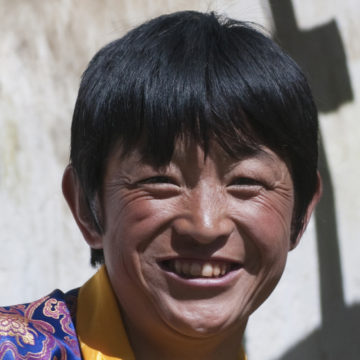 Bhutanese in Minnesota
Minnesota is home to 1,300 Bhutanese. Since 2008, more than 100,000 Bhutanese refugees have been resettled around the world, including more than 85,000 in the U.S. They came from U.N. refugee camps in eastern Nepal, where many had lived for 20 years.
In the 1980s, the small kingdom of Bhutan (“Boo-tan”) adopted a “One Nation, One People” policy over concerns about a growing ethnic Nepali minority. Government policies banned cultural practices of Lhotsampas (‘Loh-CHAHMP-pahs’), Nepali-speaking people primarily from southern Bhutan. Declared non-citizens, they were deprived of civil rights, subjected to rape and torture, and were expelled from their land or chose to flee to refugee camps.
Bhutanese refugees, who originally emigrated from Nepal to Southern Bhutan many generations ago, speak Nepali. Some also speak the other languages of Southern Bhutan. Schools in the refugee camps taught English, so many Bhutanese refugees arrived in the U.S. with some proficiency in English, especially children and young adults.
According to Pew Research Center analysis in 2015, 27 percent of Bhutanese Americans indicated that they speak English proficiently.
- Interpreter Roster: Spoken Language, Health Care, Minnesota Department of Health
Limited health data is available about Bhutanese-Americans. When included in the data for Asian-Americans, the true picture of Bhutanese-American health may be missed.
A 2014 report states that, in general, the physical health and nutrition status of Bhutanese refugees in the camps was better than that of the typical Nepalese citizen and mortality and acute malnutrition rates were well below emergency thresholds. Basic health care was provided in the refugee camps, including vaccinations, ob/gyn care, and infectious disease screening, treatment, and prevention.
Social determinants of health are economic and social conditions that influence the health of people and communities. Recent refugees often have high rates of poverty, which can result in lack of preventive health care and limited health choices.
- 33.3 percent of Bhutanese Americans lived in poverty compared to 15.1 percent of Americans overall (2015)
- Only 18 percent of Bhutanese Americans have at least some college education compared to 59 percent for the U.S. population overall, 2015.
Many aspects of Bhutanese-Minnesotan culture reflect the culture of the general U.S. population and generational differences impact social practices. Bhutanese Minnesotans are Hindu (60%), Buddhist (30%), and Christian. Bhutanese culture prioritizes a tight-knit community based on family ties. Aunts, uncles, cousins, and other “extended family” are considered part of the immediate family unit. Data from the 2015 American Community Survey indicated that 53 percent of Bhutanese Americans lived in multigenerational households. Men were considered dominant over women and children in traditional social hierarchies. Long years in refugee camps may have changed these norms.
Most older Bhutanese men and women love to wear the Nepali national symbolic outfit to make community connection, especially for religious occasions and at social gatherings. This includes the Nepali dhaka topi and daura duruwal for men, and sari and cholo for women.
Many acculturated Bhutanese have replaced traditional meals with fast food, contributing to an increase in obesity, diabetes, and hypertension. The traditional Bhutanese diet is healthful and based on local produce. Bhutanese who are Hindu are vegetarian. Food in the refugee camps lacked variety and fresh fruit and vegetables, but acute malnutrition was not an issue. Rates of alcohol abuse among refugees in the camps was high. Physicals and lab tests conducted before departure from the refugee camps revealed low rates of hypertension and obesity.
Many Bhutanese Minnesotans prefer traditional healing methods. Visiting standard American health practitioners may be a last resort. Physical disabilities, mental health issues, gynecological health, and health issues resulting from torture may be considered inappropriate topics of discussion.
Approximately one in five of all adults in the U.S. experiences mental illness in a given year. Bhutanese refugees in the U.S. may have a higher burden of mental illness than the general U.S. population. Discrimination, torture, forced relocation, long years in refugee camps, and loss of cultural heritage have resulted in direct and historical trauma to Bhutanese Minnesotans. The effects of historical trauma are being studied.
Older immigrants are less likely to have English skills and difficulty adjusting to a northern climate may increase the loneliness, isolation, and depression already caused by discrimination, torture, and loss of homeland. Bhutanese Minnesotans may be reluctant to voice mental health issues, so the ability to screen for and provide mental health care may be difficult. The suicide rate among Bhutanese refugees in the U.S. is high, as are the suicide rates in southern Bhutan and Nepal.
- Historical Trauma and Cultural Healing. Resources that explore how past experiences shared by communities can result in cumulative emotional and psychological wounds that are carried across generations. University of Minnesota Extension.
- The Impact of Discrimination. Stress in American, American Psychological Association, 2015.
When discussing end of life issues with any patient, health care providers need to understand preferences based on personal and family views. Beliefs and customs of Bhutanese Minnesotans may also vary based on religious practice (most likely to be Hinduism, Buddhism, or any of several Christian denominations).
- As Bhutanese refugee camps in Nepal wind down, resettlement program is considered a success. Story recaps history of the humanitarian crisis and tells what’s in store for remaining Bhutanese in Nepal refugee camps. Public Radio International, 2016.
- Healing the Hurt: A Guide for Developing Services for Torture Survivors. A primer for delivering care to survivors of torture, including mental health and medical care. Centers for Victims of Torture, 2005.
Other Populations in Minnesota
African American | American Indian | Asian Indian | Bhutanese | Cambodian | Deaf / Hard of Hearing | Ethiopian | European American | Latinx | Hmong | Iraqi | Karen | LGBTQ | Liberian | Poverty | Rural | Russian | Somali | Vietnamese
