
Infectious diseases represent the greatest health challenges for Karen immigrants.
NOTE: Understanding the role culture plays in health care is essential. Still, patients are individuals – each person’s preferences, practices, and health outcomes are shaped by many factors, a concept known as intersectionality.
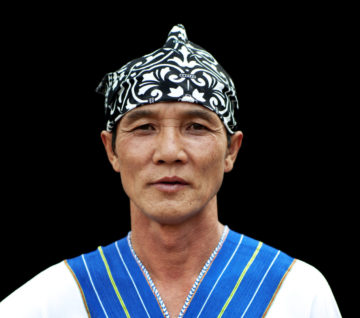 Karen in Minnesota
Karen (pronounced k’REN) people are an ethnic minority from the nation of Burma (also known as Myanmar). Karen refugees, who fled oppression from the Burmese government, began arriving in Minnesota in the early 2000s, with large numbers arriving starting in 2005. Today more than 10,000 people of Karen descent live in Minnesota. St. Paul is home to the largest Karen community in the U.S. The Burmese American population is:
- Relatively young, with 64 percent under the age of 40
- Largely first-generation American; 78 percent of Burmese-Americans are foreign-born
In their native home in the Karen State in Burma, the Karen are largely subsistence farmers who work small plots to raise vegetables and rice.
The Karen people have three main languages: S’ghaw (pronounced Skaw) Karen, Eastern Pwo Karen, and Western Pwo Karen. S’ghaw Karen is the most commonly spoken and understood. In a Wilder study, 80 percent of Karen reported they speak English “only a little bit” or “not at all.” Burmese is the language of the military who continue to attack the Karen and drive them from their traditional lands. Thus, Karen people may be uncomfortable with a Burmese translator.
- Interpreter Roster: Spoken Language, Health Care, Minnesota Department of Health
Limited health data is available about Karen-Americans. Some health issues could be biologically tied to race; many are tied to social inequities, including poverty. When included in the data for Asian-Americans, the true picture of Karen-American health may be missed.
- Diseases more common in Karen than the general Minnesota population include malaria, hepatitis, and gastric ulcers.
- Minnesota patients who indicated Karen as their preferred language had the lowest rate of optimal diabetes care (32%), significantly below the statewide average of 45 percent, 2017.
- Karen speakers had the lowest rate of optimal vascular care at 42 percent, significantly below the statewide average of 62 percent, 2017.
Social determinants of health are economic and social conditions that influence the health of people and communities. Recent refugees often have high rates of poverty, which can result in lack of preventive health care and limited health choices.
- 30 percent of Burmese Americans and 50 percent of Karen in Minnesota live below the poverty line.
- 79 percent of Burmese Americans in Minnesota have not graduated from high school.
Karen families are often large, and many generations may live together. The society is matriarchal, and women and men are considered equal, and girl and boy children equally prized. Men become members of the wife’s clan when a couple is married. Traditionally, the Karen do not use surnames. For example, married couples do not share a last name. This can cause confusion in the U.S., where last names are used as important identifiers.
Smoking is traditional in Karen society. Some children start as young as 10 years of age. Karen also use chewing tobacco, pipe tobacco and cheroots. Harmful alcohol use has risen in the Karen population as people left traditional village life and were dislocated to refugee camps and resettled.
Many Karen feel ill at ease when confronted with American communication styles. Loud speech, direct address, and Western body language, such as direct eye contact, are considered impolite. Karen people demonstrate respect by standing back and folding their arms in front when speaking. Disagreement is avoided and direct displays of anger are considered shameful.
Making and sticking to strict schedules is difficult for many. Karen do not come straight to the point. Many other subjects might be discussed first.
As Karen acculturate, they replace traditional meals with fast food, contributing to an increase in obesity, diabetes, and hypertension. Traditional food consisted of rice, vegetables, and meat or fish. Karen cuisine features many spices including turmeric, ginger, garlic, lime, and cardamom. A traditional meal might feature a large bowl of rice, and smaller amounts of meat or fish as well as vegetables and flavorings or spices such as fermented fish pastes and chilies, garlic, ginger.
Most Karen come from rural areas and had little experience with going to doctors. Western medicine is accepted by most, but many are reluctant to speak openly with doctors. One strategy to help ensure better care is to have Karen case workers follow up with patients after the visit, to allow the patients to ask questions or clarify what the doctor said. Karen patients may be reluctant to question or contradict what the doctor says, as doctors are often held in high regard. Asking open-ended questions is a good strategy to provide Karen patients with the opportunity to voice concerns or issues with a doctor’s orders.
Approximately one in five of all adults in the U.S. experiences mental illness in a given year. Many Karen refugees in Minnesota were exposed to torture and war trauma. As a result, they experience post-traumatic stress disorder (PTSD), depression, and various physical ailments. Like many patients with a history of trauma, Karen people are often reluctant to discuss this history. A 2014 screening of Karen people in Minnesota found:
- 27.4 percent reported that they had experienced torture directly, and 51.4 percent, reported secondary exposure to torture (someone in their family was tortured)
- 86 percent experienced war trauma
Discrimination, torture, relocation, and loss of cultural heritage have resulted in direct and historical trauma to Karen Minnesotans. The effects of historical trauma are being studied. Older immigrants are less likely to have English skills, which may increase the loneliness, isolation, and depression.
- Healing the Hurt: A Guide for Developing Services for Torture Survivors. A primer for delivering care to survivors of torture, including mental health and medical care. Centers for Victims of Torture, 2005.
- The Impact of Discrimination. Stress in American, American Psychological Association, 2015.
- Karen Refugees from Burma Karen Refugees from Burma in the US: an Overview for Torture Treatment Programs. Video describes the history of the Karen, as well as the torture and abuse they are likely to have faced in their homes, and/or refugee camps. Heal Torture.org, 2011.
When discussing end of life issues with any patient, health care providers need to understand preferences based on personal and family views. Almost all Karen in the U.S. are Christian and may follow the traditions of their faith.
- Invisible Newcomers: Refugees from Burma/Myanmar and Bhutan in the United States. This report has extensive information about issues Karen people confront in the U.S. Asian & Pacific Islander American Scholarship Fund, February 2014. (40-page PDF)
- Karen Cultural Profile. Detailed profile of Karen Americans and many resources for serving Karen patients. Ethnomed, University of Washington
- Karen Organization of Minnesota. Social service agency with resources for Karen people.
Other Populations in Minnesota
African American | American Indian | Asian Indian | Bhutanese | Cambodian | Deaf / Hard of Hearing | Ethiopian | European American | Latinx | Hmong | Iraqi | Karen | LGBTQ | Liberian | Poverty | Rural | Russian | Somali | Vietnamese
